 Parler
 Gab
Gab Copy
Copy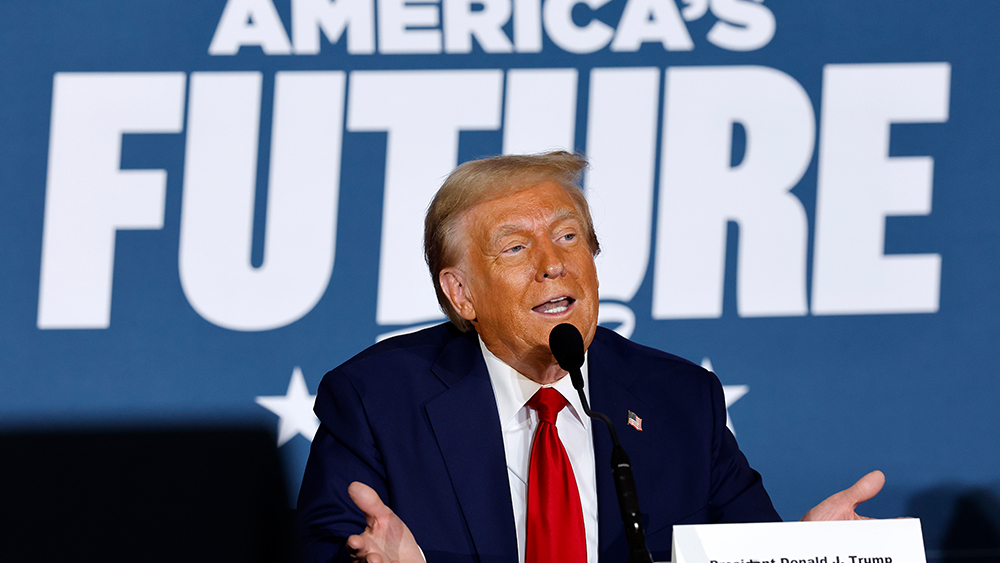
- Trump has called Iran defeated repeatedly since late February, yet the war and the deal-making continue.
- His new timeline for victory, right after the election, ties the war's end to the political calendar.
- The pattern began with Operation Midnight Hammer in June 2025, when he said Iran's nuclear sites were obliterated.
- Trump has also claimed Iran was three to four weeks from a nuclear weapon, a claim that strains against "obliterated."
- Voters absorb the cost while Washington still struggles to name a counterpart in Tehran.
A pattern that began at Fordow
The script is not new. On June 21 and 22, 2025, American B-2 bombers struck Iran's Fordow, Natanz and Isfahan nuclear sites in Operation Midnight Hammer. Trump told the nation the facilities had been “completely and totally obliterated.” Within days, news outlets reported that an early Defense Intelligence Agency assessment found the damage had set the program back by only months. The White House disputed that account, but the template was set: declare the enemy erased, then watch the conflict refuse to end. The template returned after Israel and the United States launched fresh strikes on Feb. 28, killing Supreme Leader Ali Khamenei. By March 9, Trump was telling Time magazine, “The war is very complete, pretty much.” A PBS NewsHour timeline of his shifting statements shows him insisting within days that nothing militarily remained, that Iran was essentially defeated and that the war had been won. Iran, meanwhile, kept launching missiles and drones at its neighbors, and oil prices lurched upward. The claims also sit awkwardly beside Trump's own assertion, reported by Israel National News, that Iran was three to four weeks from a nuclear weapon. Nuclear sites cannot be both obliterated and weeks from producing a bomb. Seven months on, the language has barely changed. Gulf News reported Oct. 1 that Trump called the campaign a total military victory, said Iran had been wrecked militarily and economically, and announced that the last American troops had left Iraq. Defense Secretary Pete Hegseth told troops at Quantico that Iran's navy and air force were destroyed. In the same breath, talks stalled, and Trump put the choice to Tehran bluntly: “We blow them up or make a deal.”The price of waiting
Trump has launched an intensive campaign push for Republican candidates ahead of the midterms, with Texas among the first stops. If Iran is truly finished, why does the finish line move with the election calendar? In Denton, Trump said Iran is “ready to fold up,” according to Israel National News, even as Iran weighed the latest American response on restoring the Gulf ceasefire and Trump held to his rejection of Tehran's proposal. At the same rally, he complained that Washington does not know who to deal with in Iran. That is a strange complaint from a commander who claims total, uncontested triumph over the enemy. A victory with no one to sign the surrender papers is less a conclusion than a mirage shimmering over the horizon. History urges caution. In May 2003, President George W. Bush spoke beneath a “Mission Accomplished” banner aboard the USS Abraham Lincoln, and American troops did not finish leaving Iraq until 2011. Trump's announcement that the final troops have now departed that country lands with a certain irony as the Iran war enters its eighth month. Voters, meanwhile, are the ones paying the tab. The administration tapped the Strategic Petroleum Reserve in March as oil prices climbed, and an NBC News poll earlier this year found most voters disapproving of how Trump has handled Iran. Asking those same households to wait for November, and to hand Republicans control of Congress in the bargain, treats peace as a campaign perk rather than a policy obligation. Americans deserve a plan with a measurable end state, not a date chosen by campaign strategists, with American servicemembers dangling in the midst. A war can be declared won from a podium, but only a strategy can end it, and citizens have every right to ask why the ballot has suddenly become the surer route to victory in the Middle East. Sources include: SputnikGlobe.com PBS.org IsraelNationalNews.com GulfNews.com
Epic Fury Escalates: Washington Sends Third Carrier, More Troops to Middle East
By Garrison Vance // Share

Obama-Appointed Judge Slams the Brakes on Trump’s $100,000 H-1B Visa Fee
By Douglas Harrington // Share
AP-NORC Poll: Most Americans Blame Trump for High Prices as Economic Approval Hits New Low
By Sterling Ashworth // Share

The Diesel Domino Effect: Why 16 Trucking Bankruptcies Signal a Coming Food Crisis
By Mike Adams // Share
U.S. Energy Department to Release 40 Million More Barrels From Strategic Petroleum Reserve
By Iva Greene // Share

Netanyahu Sought UAE Denial of October 7 Warning, AP Reports
By Garrison Vance // Share

Millions of older Americans may be treating drug side effects with more drugs
By isabelle // Share

COVID Was the Warm-Up: The Global Energy Sabotage Is the Real Kill Switch
By healthranger // Share
The Diesel Domino Effect: Why 16 Trucking Bankruptcies Signal a Coming Food Crisis
By healthranger // Share
Obama-Appointed Judge Slams the Brakes on Trump's $100,000 H-1B Visa Fee
By douglasharrington // Share
Epic Fury Escalates: Washington Sends Third Carrier, More Troops to Middle East
By garrisonvance // Share