 Parler
 Gab
Gab Copy
Copy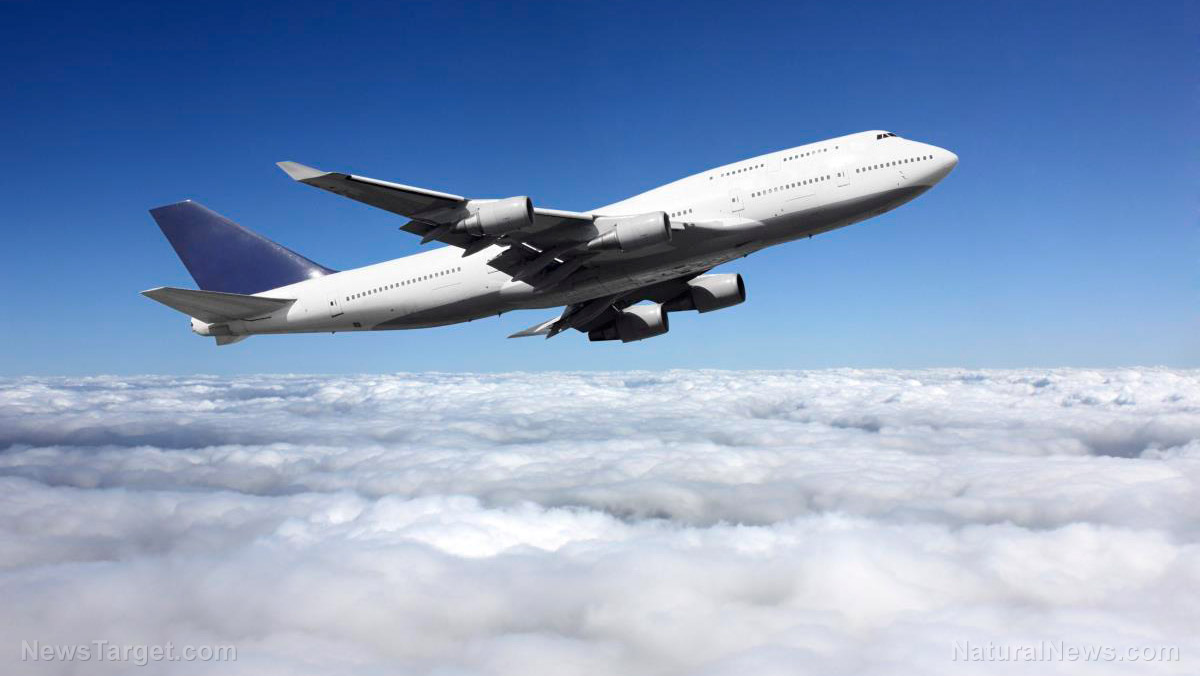
- Flight data and footage indicate Herzog flew AZAL flight J222 from Tel Aviv to Baku through Turkish airspace.
- A Turkish official says Azerbaijan never told Ankara who was aboard.
- Turkey bars Israeli government aircraft but still allows civilian airliners to cross its skies.
- The aircraft was named “Shusha,” which some commentators read as a jab at Ankara.
- Black Sea ship attacks and strained Turkey-Azerbaijan ties add risk to regional trade and alliances.
A gate with no fence
Turkey’s restrictions did not arrive overnight. In November 2024, Ankara refused to let the Israeli president’s plane cross its airspace, forcing him to cancel a planned visit to the COP29 climate conference in Azerbaijan. In May 2025, Prime Minister Benjamin Netanyahu cancelled a Baku visit after Ankara reportedly refused overflight rights. Then, on Aug. 29, 2025, Foreign Minister Hakan Fidan told lawmakers, “We do not allow their planes to enter our airspace,” a policy a Turkish diplomatic source said covers Israel’s official flights and any aircraft carrying weapons to Israel. Fidan also claimed trade with Israel had been cut off entirely, yet opposition figures pointed to Azerbaijani oil flowing through the Baku-Tbilisi-Ceyhan pipeline, an allegation Turkey’s energy ministry called completely unfounded. The roots run deeper. Relations soured in 2010 after Israel’s deadly attack on a Gaza-bound aid flotilla, which killed 10 Turkish citizens, and they have slid steadily since the Gaza war began in October 2023. Because the ban targets state aircraft, civilian flights by Israeli and foreign carriers still cross Turkey on routes to and from Tel Aviv. Herzog boarded one of them. In April, by contrast, his plane endured an eight-hour route to Kazakhstan to dodge Turkish airspace. Turkey’s pattern is consistent: symbolic denial of official access paired with tolerance of the commercial traffic that keeps its airports busy. Israel’s answer mirrors it, improvising rather than confronting.Baku’s tightrope and the Black Sea gamble
The choice of carrier was not purely logistical. MEE reports that Herzog’s team could have flown over Greece, Bulgaria and the Black Sea but opted for a passenger jet because ongoing attacks on ships in those waters have raised safety concerns. That detail matters. A war that has already closed one airspace is now shrinking the safe corridors beside it, and Eurasia’s trade lanes are tightening into chokepoints. Azerbaijan sits in the middle, caught between two patrons. Turkey and Israel both gave Baku material support during the 2020 Nagorno-Karabakh war, and Turkey and Azerbaijan signed the Shusha Declaration in 2021, pledging to defend one another. The Dreamliner that carried Herzog was named “Shusha,” which some social media commentators read as a jab at Ankara. That reading is speculation, but the backdrop is telling. Tensions already simmer over Baku’s new headscarf ban in primary and middle schools, and President Recep Tayyip Erdogan skipped the summit, likely because of Herzog’s presence. Fidan went in his place and is expected to ease the friction. What does it signal? Turkey’s pressure on Israel is real but leaky, and Israel has learned to route around it through friendly capitals. Expect more Caucasus, Central Asian and Gulf governments to be quietly asked which side of the airspace line they stand on. For the global economy, every rerouted flight, nervous shipping insurer and strained pipeline partnership adds cost to the corridor linking Caspian energy to Mediterranean markets. A breakup between two regional powers is rarely contained by borders. It spills into freight rates, fuel prices and the quiet arithmetic of trust. Sources include: MiddleEastEye.net Aljazeera.com NewArab.com
U.S. Families Behind on Bills at Rate Not Seen Since Great Recession, Fed Survey Finds
By Sterling Ashworth // Share

By Chase Codewell // Share

Iran Conflict Raises Costs Across Banana Supply Chain, Threatening U.S. Prices
By Sterling Ashworth // Share
Israel Enforces Nationality-Based Restrictions on Pilots and Crew After FlyDubai Hijacking Attempt
By Douglas Harrington // Share

Moody’s Report Reveals Staggering Costs of Iran War on Families
By Garrison Vance // Share

U.S. and Israel “Might Have Gone Too Far” With Killing Iran Leadership, Trump Admits
By Garrison Vance // Share



Ukraine’s Patriot missile stockpile runs dry as Trump-Zelensky feud boils over
By isabelle // Share

Thyroid diet myths busted: Broccoli is fine, but your fancy sea salt isn’t
By isabelle // Share

The Pentagon's Desperate MOAB Plan: A Symbolic Attack That Won't Win the War
By healthranger // Share