 Parler
 Gab
Gab Copy
Copy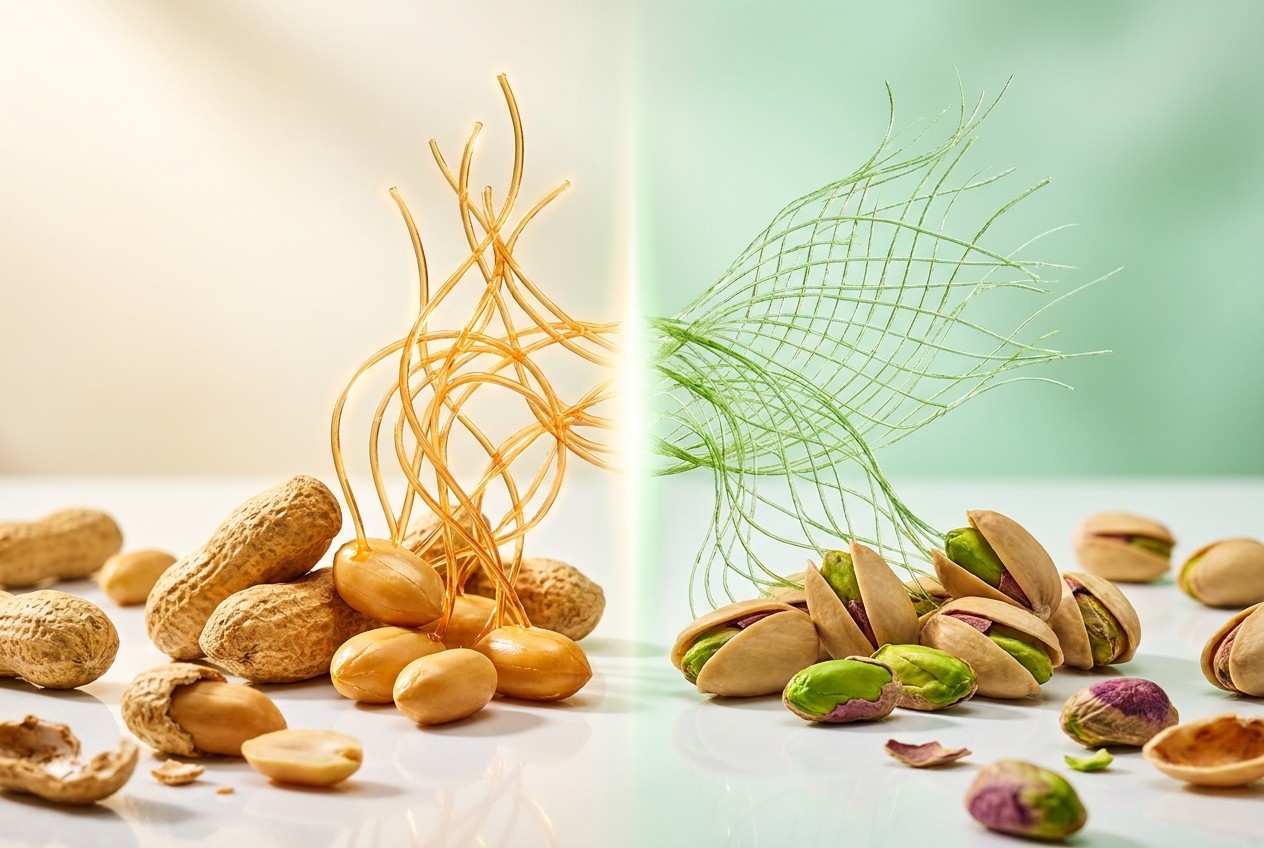
Peanuts Provide More Protein Per Serving
Peanuts hold the protein edge. Nutrition coverage has long noted that peanuts, while technically legumes, have a nutrition profile that rivals popular tree nuts such as almonds, cashews and pistachios [2]. Pistachios counter with protein quality rather than protein quantity. That distinction matters for eaters who lean heavily on a single snack to meet amino acid needs. General nutrition references note that nuts occupy a well-established place among high-protein plant foods. Nutrition data compilations rank nine nuts and seeds by protein concentration per 100-gram serving, presented as a resource for people seeking to increase plant-based protein intake [3]. Nuts and seeds are recognized as nutrient-dense, whole-food sources of protein, healthy fats and fiber [3]. The practical takeaway from the comparison data is that peanuts win on grams of protein, pistachios win on protein completeness, and eaters looking for the best of both can combine them with other protein foods across the day.Pistachios Provide Slightly More Fiber
Pistachios lead on fiber. That fiber content is part of why pistachios have drawn attention as a gut-friendly food, with their fiber feeding beneficial bacteria and supporting regular digestion [4]. Fiber intake remains a widespread shortfall in typical diets. Nuts cannot supply all the fiber a person needs each day, but adding high-fiber nuts can help close the daily gap [5]. The broader case for fiber-rich whole foods is well documented in clinical nutrition writing, which recommends fruits, vegetables and similar sources for fiber and other nutrients, particularly for people recovering from serious health events who struggle with bowel function [6]. The fiber difference between the two nuts is modest, and either can contribute to daily intake. For consumers tracking total daily fiber rather than choosing a single snack, the practical move is to rotate both nuts into meals and snacks rather than treat the comparison as a verdict.Nutrient Profiles Differ in Vitamins and Minerals
The two nuts differ across a range of micronutrients even where their macronutrient totals converge. The healthiest way to eat nuts is whole, without added salt or sugar, the same reference noted [7]. The standout nutrients diverge by nut. Pistachios also carry a reputation for cardiovascular support: one analysis covering 143,380 adults across eight prospective studies identified 20,665 cases of hypertension during follow-up, and the researchers said the observational results do not prove that eating nuts directly prevents high blood pressure [8]. Storage and preparation affect what consumers actually get from either nut. Those handling recommendations apply equally to peanuts and pistachios and shape the nutrient profile a shopper ends up eating.Neither Nut Is a Clear Winner, According to Researchers
The measured differences are small enough that dietitians frame the choice around personal priorities rather than a single healthiest option. Broad evidence on nuts supports keeping both in rotation. The practical caution involves processing, not the nuts themselves. Consumers comparing peanuts and pistachios on Nutrition Facts labels should weigh protein, fiber, sodium, added sugar and serving size together, particularly when buying in-shell pistachios, since the listed serving refers to edible nuts rather than shell weight.Conclusion: Selection Depends on Dietary Priorities
For shoppers, the decision comes down to which gap in the diet needs filling. Label reading remains the reliable filter. For pistachios bought in shell, the one-ounce serving refers to the edible nut portion rather than the in-shell weight.References
- Report: Three Underrated Nuts Offer Significant Nutritional Benefits. https://www.naturalnews.com/2026-08-28-three-underrated-nuts-offer-significant-nutritional-benefits.html
- 9 Good reasons you should start snacking on peanuts recipes included - NaturalNews.com, October 03, 2020.
- High-Protein Nuts and Seeds Listed as Natural Dietary Options. https://www.naturalnews.com/2026-03-27-nuts-and-seeds-as-natural-protein-sources.html
- Going nuts for your gut Why pistachios are considered gut food - NaturalNews.com, August 11, 2025.
- 6 High-Fiber Nuts to Add to Your Diet - GoodRx. https://www.goodrx.com/well-being/diet-nutrition/high-fiber-nuts
- Healing the broken brain leading experts answer 100 questions about stroke recovery by Mike
- 9 Types of Nuts to Eat for Better Health. https://www.healthline.com/nutrition/9-healthy-nuts
- Daily Nut Intake Associated With Lower Hypertension Risk, Analysis Finds. https://www.naturalnews.com/2026-08-23-daily-nut-intake-associated-lower-hypertension-risk.html
Explainer Infographic

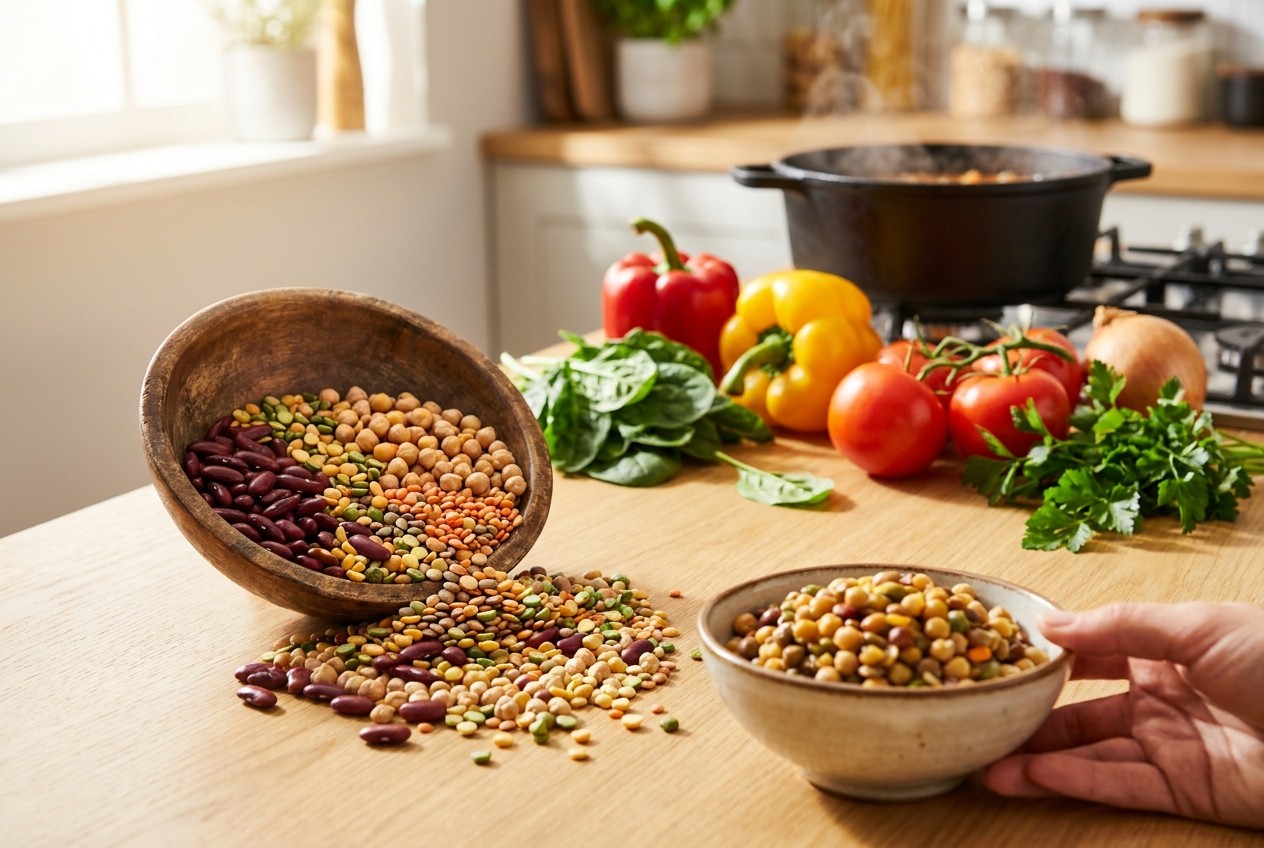
Study Links Higher Pulse Intake to 19% Lower Prevalence of Cardiometabolic Disease
By Coco Somers // Share

Study finds gentle yoga, not intense exercise, best for lowering stress hormones
By Willow Tohi // Share

Study: HIIT Preserved Lean Muscle While Reducing Fat in Older Adults
By Petra Stone // Share

FDA proposed rule would allow toxic chemicals in food, advocates alarmed
By Willow Tohi // Share
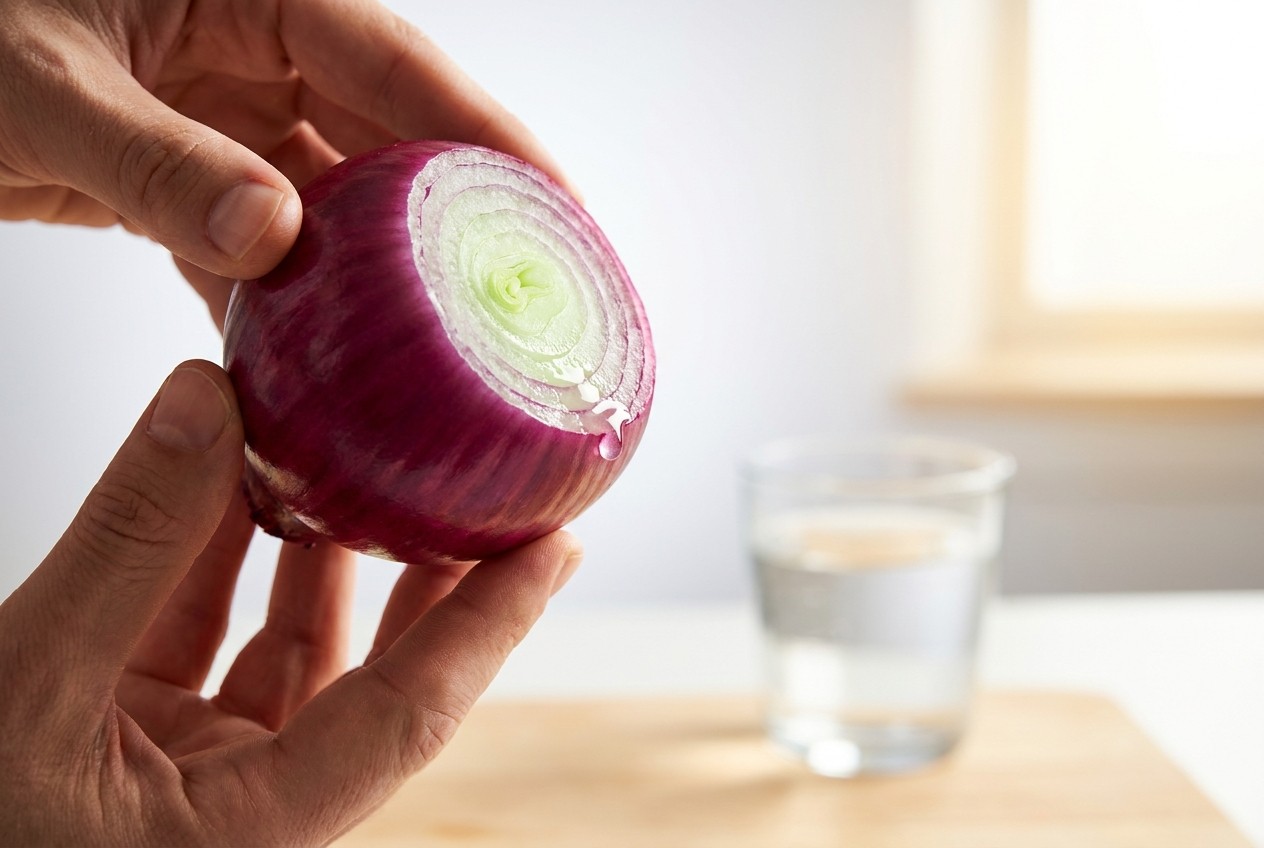
Dietitians Review Evidence on Raw Onions, Blood Sugar, and Insulin
By Patrick Lewis // Share
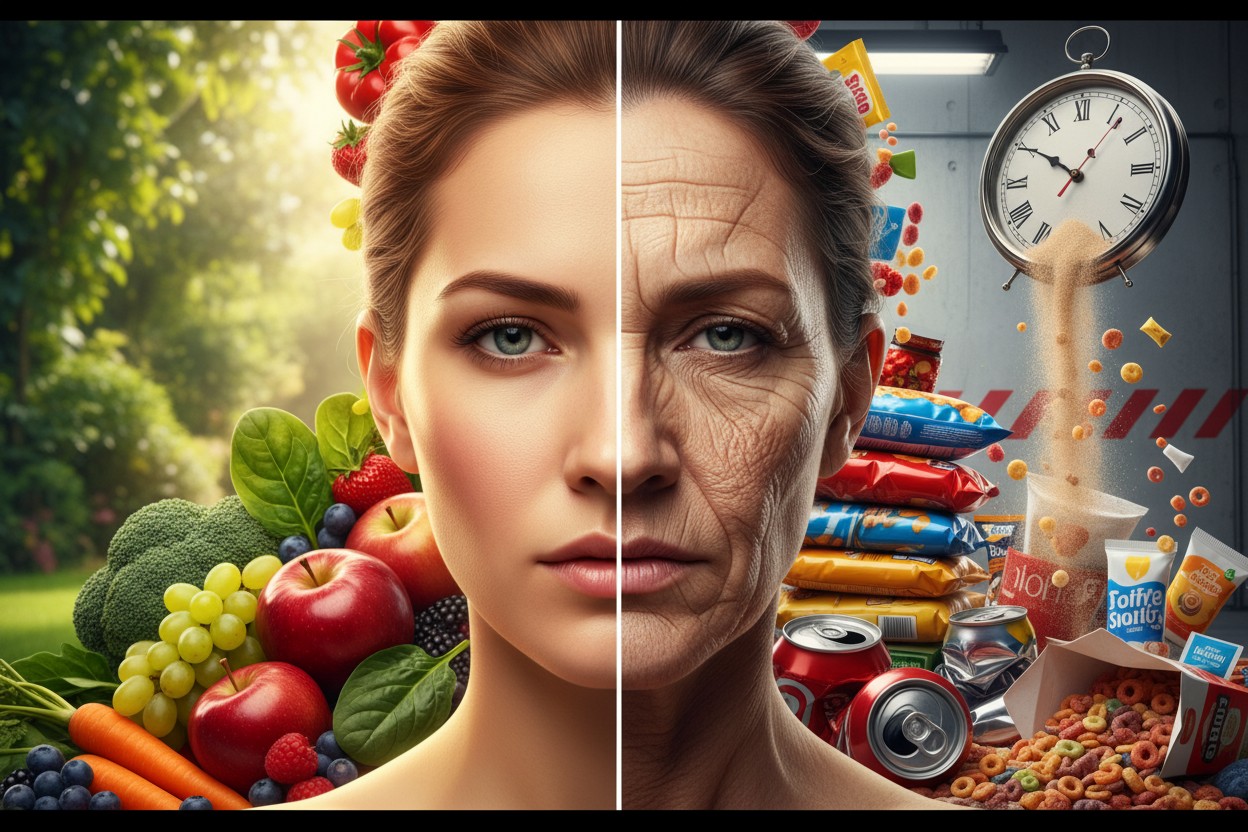

Why You Will Survive the Coming Chaos
By healthranger // Share

Five High-Alert Action Items to Accomplish Before the End of 2026
By healthranger // Share

Zelensky Criticizes Trump Over Russian Diesel Agreement as Allies Push Back
By garrisonvance // Share

Meta Releases Muse Wonder AI Model, Claims It Can Equal ChatGPT and Claude
By chasecodewell // Share

Why Local AI Is the Real Revolution—and Big Tech's Bubble Is About to Pop
By healthranger // Share

The MAHA Mirage: Why I'm Done Waiting for Political Saviors To Keep Their Promises
By healthranger // Share