 Parler
 Gab
Gab Copy
Copy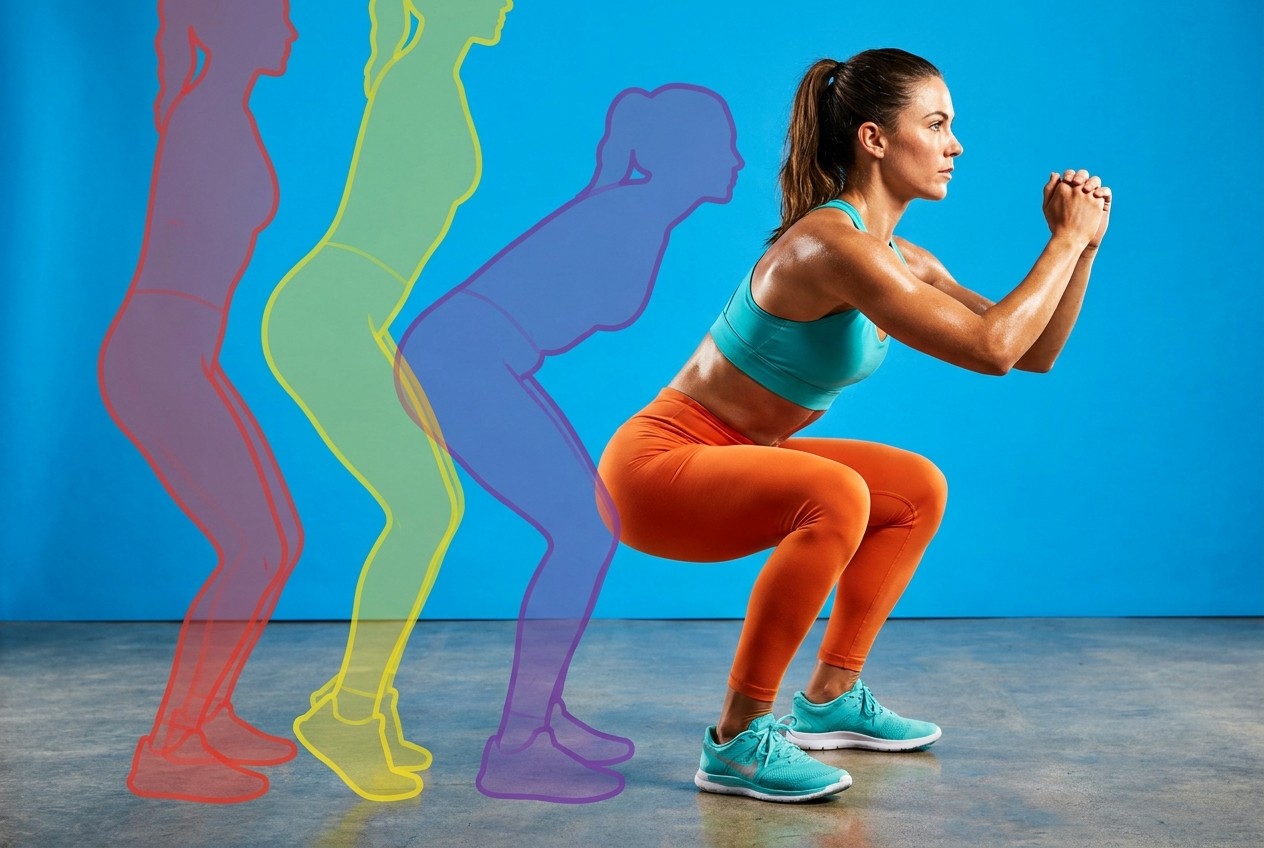
Benefits Cited for Proper Squats
The article listed several benefits of properly performed squats. It stated that the basic squat can be performed almost anywhere, at almost any time and by almost anybody, and that it does not require the exerciser to place clean hands on the ground, as the plank and push-up do. The article also stated that squats allow the use of even massive amounts of weight as part of the exercise. On bone health, the article stated that recent studies have indicated that squats, as part of a high-intensity resistance and impact training regimen, can help increase bone mineral density in men and women. On heart health, it stated that leg strength and walking speed are increasingly recognized as functional vital signs for older people with heart disease, and that studies have shown a strong link between leg strength and mortality in men with peripheral artery disease. The article further stated that meta-analysis studies have found a link between leg strength and falls, and that building muscle power can help counter deficits in voluntary neuromuscular activation that some people develop with age. Weighted squats performed properly encourage strong core, shoulder and back musculature, which the article stated improves the ability to maintain proper posture [2]. Other publications have described similar benefits. A fitness guide states that exercise is beneficial to overall body health and growth and that its positive effects extend into other areas of life [3]. A separate strength-training text states that as people age, strength-training exercises become more critical because without them, muscle tone and strength decrease with each passing year [4].Six Common Mistakes Identified
The article identified six common mistakes that it said can reduce the exercise's effectiveness and place unnecessary stress on the body. The first, shallow squatting, occurs when an exerciser does not squat as low as he or she could, rather than when the exerciser is unable to do so because of disability or disease, according to the article. It stated that shallow squats do not task the leg muscles hard enough and can limit progress with the exercise. The second mistake, collapsing knees, refers to allowing the knees to move close together during the squat movement, which the article stated impairs the natural biomechanics of the exercise and makes it harder to perform. It stated that this can potentially cause injury. The third, rounding the lower back, occurs when an exerciser moves too far into the squat and the lower back tucks under, moving into bad posture, the article stated. It added that rounding the rest of the back is also poor form because it places undue stress on the spine. The fourth mistake, leaning too far forward, places what the article described as overt stress on the lower back, even when the rest of the back stays straight. The article stated that it is also possible to under-engage the gluteal muscles when body weight is placed too far forward on the feet, which forces the quadriceps muscles to absorb more of the load instead of sharing it with the gluteals. The fifth mistake, rising hips before shoulders, can occur when the trunk is held loose or when trunk flexion is allowed as the exerciser rises; the article stated this can allow the hips to move several inches before the shoulders begin to rise, increasing injury risk and disrupting the movement's mechanics. The sixth, lifting the heels, places the exerciser at risk of moving into a tiptoe posture in which the heels lift off the ground, which the article stated reduces overall safety and balance during the movement. A separate training text also advises against rounding the back during lifts, stating that the core and back should be engaged with the shoulder blades brought down and back [5].Proper Squat Technique Outlined
The article outlined a step-by-step approach to the standard squat. It described the starting position as standing upright with the feet approximately hip-width apart and slightly rotated outward to decrease stress on the knees, with the arms at the sides and, optionally, a 2-pound weight held in each hand. The article stated that adding weight can increase the challenge of bodyweight and cardio exercises, a point echoed by a certified personal trainer who told Everyday Health that hand weights can make bodyweight exercises such as yoga, Pilates or shadowboxing more challenging by adding weight [6]. According to the article, the exerciser should keep the back straight and the head up while slowly lowering into a squatting position until the knees and hips reach 90 degrees of flexion, which it stated will help most people avoid involuntarily tucking the lower back at the bottom of the squat. It advised sitting into the movement rather than leaning into it, to keep the weight centered on the feet, and stated that the exerciser should not rise onto the toes at any time. The article stated: "Move slowly enough through the movement that you don't sway as you perform the exercise." It added that the exerciser should carefully control the movement without feeling like it is getting away from them. To return to standing, the article advised slowly rising using the legs while keeping the back straight, the trunk taut and the head up. It recommended trying to perform three sets of 12 repetitions, while feeling free to modify the sets and repetitions to best suit individual needs and abilities.References
- Squats: 6 Common Mistakes and How to Do Them Properly. 2026-10-05T00:08:39Z. https://www.theepochtimes.com/health/squats-6-common-mistakes-and-how-to-do-them-properly-6084399
- Squats: 6 Common Mistakes and How to Do Them Properly. 2026-10-04T15:54:02Z. https://cmsapi.theepochtimes.com/health/squats-6-common-mistakes-and-how-to-do-them-properly-6084399
- FITNESS COLLECTION Bodyweight Training + Hiit Training Fitness Training and Workout Motivation Improve your body shape by Academy Fitness
- Deadlift The Best Workout Move ... - Mercola.com, February 13, 2015.
- Strength Training Supplements The Ultimate Guide to Strength Training The Ultimate Supplement Guide For Men by Nicholas Bjorn
- Want to Amplify Your Lifting Game? This List of the 10 Best Hand Weights Can Help You Meet Your Goals. https://www.everydayhealth.com/fitness-products/best-hand-weights/
- How to Do Squats: Form, Mistakes & Progressions - FitCraft. https://getfitcraft.com/exercises/squats
Explainer Infographic

Study links fragmented daily rhythms to accelerated brain shrinkage
By Willow Tohi // Share
Turmeric Extracts Show Promise for Joint Pain, Research Indicates
By Edison Reed // Share
A comprehensive guide to the healing power of black pepper
By Laura Harris // Share

Disaster Preparedness: How to Survive For Two Weeks in an Emergency
By Iva Greene // Share

Dietitian: Color Variety in Fruits and Vegetables Linked to Antioxidant Intake
By Zoey Sky // Share
Study links fragmented daily rhythms to accelerated brain shrinkage
By willowt // Share

Ships burn and sailors vanish as the Black Sea shadow war spills into NATO waters
By isabelle // Share



The Vaccine Deception and the Medicine of Light
By healthranger // Share

The Civilizational Rug Pull: Why the Pillars of Our World Are Being Taken Down on Purpose
By healthranger // Share