Join the movement to end censorship by Big Tech. StopBitBurning.com needs donations and support.
Supplementing with Vitamin D found to support hormones and metabolic health in women over 50
By willowt // 2026-09-28
Mastodon
 Parler
 Gab
Gab Copy
Copy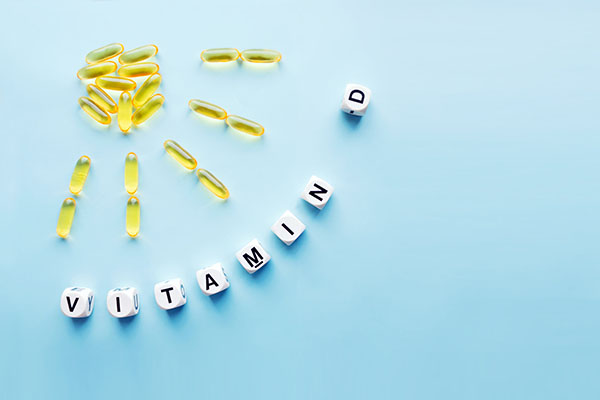
- A nine-month clinical trial found daily vitamin D3 supplementation increased beneficial adiponectin by 18.6% and reduced harmful resistin by 32.4% in vitamin D-deficient women ages 50-65.
- Researchers studied 160 postmenopausal women with vitamin D deficiency, measuring changes in two key adipokine hormones that influence insulin sensitivity and inflammation.
- Vitamin D levels rose 45.4% in the supplement group while dropping 18.5% in the placebo group during the study period.
- The findings suggest vitamin D may help address metabolic health challenges that worsen after menopause.
- Previous research links vitamin D deficiency to insulin resistance and increased Type 2 diabetes risk, with 29% of U.S. adults currently deficient.
The study: What researchers found
A randomized clinical trial published in the journal Menopause examined how nine months of daily vitamin D3 supplementation affected metabolic health markers in women ages 50 to 65 with confirmed vitamin D deficiency. Researchers divided 160 postmenopausal women into two groups, one receiving 1,000 international units of vitamin D3 daily and the other receiving a placebo. The study focused on two adipokine hormones: adiponectin, which is associated with better insulin sensitivity and metabolic function, and resistin, linked to insulin resistance and inflammation. Higher adiponectin levels and lower resistin levels generally indicate better metabolic health. After nine months, women taking vitamin D showed an 18.6% increase in adiponectin and a 32.4% decrease in resistin — statistically significant changes compared to the placebo group. Blood levels of 25-hydroxyvitamin D, the standard marker for vitamin D status, increased by 45.4% in the supplement group while decreasing by 18.5% in the placebo group.Why this matters for older women
Metabolic health becomes harder to maintain after menopause. Hormonal changes during this transition can affect body composition, blood sugar regulation and cardiovascular health. The adipokine hormones measured in this study play direct roles in these processes. Adiponectin, produced by fat tissue, helps the body respond to insulin more effectively. Lower levels are commonly observed in women with obesity and metabolic dysfunction. Resistin, meanwhile, has been associated with less favorable metabolic outcomes and increased inflammation. The combination of increased adiponectin and decreased resistin observed in the study suggests that correcting vitamin D deficiency may influence signaling pathways involved in metabolic regulation. For postmenopausal women, this could help address some of the metabolic challenges that often emerge during this life stage.The broader diabetes connection
The findings align with a growing body of research linking vitamin D status to diabetes risk. A 2025 review in Recent Progress in Nutrition examined how vitamin D influences glucose metabolism and insulin sensitivity through multiple biological pathways. Vitamin D receptors are present on pancreatic beta cells, which produce insulin. The vitamin also regulates genes involved in glucose uptake and lipid metabolism in muscle and fat tissue. Previous research has shown that vitamin D deficiency was present in 70% of Type 2 diabetic patients, with severely deficient individuals being 39 times more likely to have a Type 2 diabetes diagnosis. Two separate meta-analyses from 2018, reviewing 28 controlled clinical trials involving nearly 4,000 adults who were prediabetic, overweight or obese, found that vitamin D supplementation significantly improved glucose measurements and insulin sensitivity.Nutrient interactions and hormone balance
Vitamin D does not work in isolation for metabolic health. Other nutrients play supporting roles in hormone regulation and glucose metabolism. Magnesium, for example, is necessary for more than 300 enzyme reactions in the body, including those involved in carbohydrate and fat metabolism. B vitamins, particularly B6 and B12, help regulate estrogen levels and support adrenal hormone production. Zinc supports insulin function and has been shown to improve insulin resistance in women with polycystic ovarian syndrome. Probiotics help maintain healthy gut bacteria, which influences hormone balance and inflammation. However, researchers emphasize that dietary supplements cannot replace foundational health practices. Exercise, adequate sleep, stress management and a diet rich in whole foods remain essential for metabolic health.The takeaway
For postmenopausal women with vitamin D deficiency, daily supplementation of at least 1,000 IU of vitamin D3 for nine months was associated with beneficial changes in two key hormones relevant to metabolic health. Given that 29% of U.S. adults are deficient in vitamin D, checking blood levels may be a reasonable step for women approaching or experiencing menopause. Vitamin D plays critical roles in bone health, muscle function and immunity beyond its metabolic effects. While supplementation can help correct deficiency, food sources including egg yolks, oily fish and fortified dairy products also contribute to vitamin D intake. Sunlight exposure remains another natural source, though factors including latitude, season and sunscreen use affect vitamin D synthesis from sun exposure. As with any supplement, the FDA does not approve dietary supplements for safety and effectiveness before they reach the market. Consumers should read product labels carefully and consult with a physician before starting any new supplement regimen, particularly those with underlying health conditions or who take medications. Sources for this article include: MindBodyGreen.com Journals.lww.com Lidsen.com Premierob-gyn.comMastodon
Parler
Gab
Copy
Tagged Under:
blood sugar nutrition natural medicine vitamin D nutrients alternative medicine women's health research natural health supplements natural cures hormones naturopathy remedies prevent diabetes metabolic health goodscience goodhealth goodmedicine insulin sensitivity health science aging secrets
You Might Also Like

Eight Foods High in Creatine Linked to Muscle Energy Support
By Coco Somers // Share
Meta-Analysis Finds Circuit Training May Lower Blood Pressure Most
By Chase Codewell // Share

Report Outlines Six Carrying Exercises for Strengthening Multiple Muscle Groups
By Petra Stone // Share

The healing power of basil essential oil
By Laura Harris // Share
Study Links Air Pollution Exposure to Changes in Cellular Fat Metabolism
By Iva Greene // Share

Health Report Links Avocado Consumption to Nutrient Intake, Gut and Heart Health
By Coco Somers // Share
Recent News






Popular This Week