Join the movement to end censorship by Big Tech. StopBitBurning.com needs donations and support.
Rubio blocked Iran peace deal during April talks in Pakistan, reports say
By isabelle // 2026-09-18
Mastodon
 Parler
 Gab
Gab Copy
Copy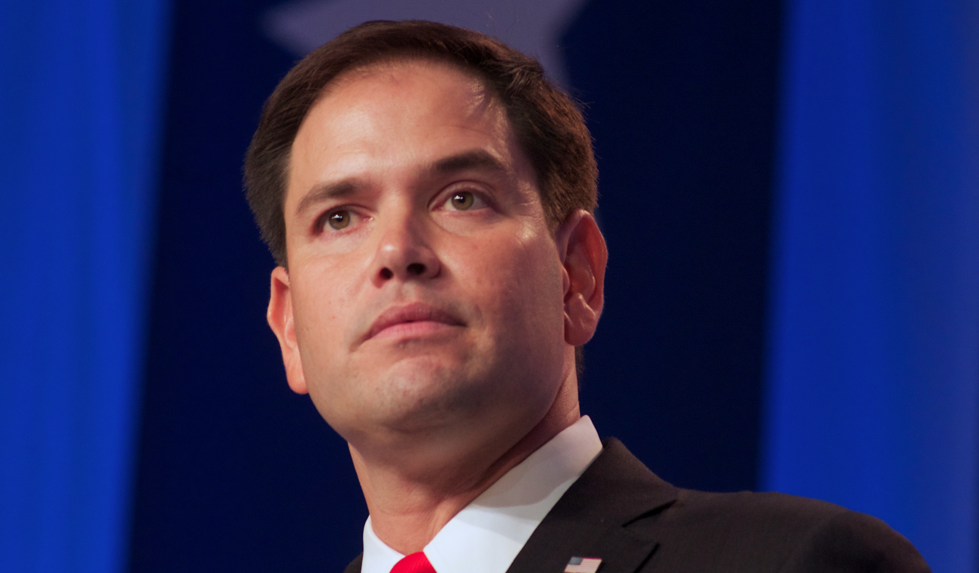
- Secretary of State Marco Rubio personally vetoed a potential Iran peace deal during April negotiations in Islamabad, Pakistan.
- Rubio rejected the revised Iranian proposal after negotiators, including Vice President JD Vance, grew concerned Iran was altering agreed terms.
- Rubio operates behind the scenes, letting Vance and envoys Jared Kushner and Steve Witkoff handle public negotiations while he retains veto power.
- The April 7 ceasefire between Washington and Tehran has remained fragile, with repeated clashes since June, most recently over the Strait of Hormuz.
- Rubio and Vance have shown different public postures on Iran, fueling speculation about a 2028 political rivalry despite White House denials.
Rubio operates as behind-the-scenes gatekeeper on Iran diplomacy
Unlike past secretaries of state who commanded the spotlight during war-and-peace negotiations — Henry Kissinger won a Nobel Peace Prize in 1973 for brokering a Vietnam War ceasefire, and John Kerry shuttled the Middle East seeking Israeli-Palestinian peace — Rubio has deliberately stepped back, leaving public-facing work to Vance and special envoys Jared Kushner and Steve Witkoff, according to current and former administration officials interviewed by NBC News. Several spoke on condition of anonymity to discuss internal policy dynamics. Rubio holds a unique position within the administration, serving simultaneously as secretary of state and national security adviser. The dual role gives him a West Wing office and, by one White House official's account, several visits a day with President Donald Trump — far more face time than most Cabinet members get.April ceasefire preceded talks that ended without breakthrough
The escalation began February 28, when the United States and Israel struck targets in Iran, including Tehran; Tehran answered with attacks on Israeli soil and American bases across the region. By April 7, Washington and Tehran announced a ceasefire, setting the stage for the Islamabad talks. During the lengthy April session, Vance and other negotiators sensed Iran was modifying deal terms. The team paused talks and phoned Rubio, who agreed the altered offer could not be accepted, the source said. The Islamabad round ended without a breakthrough, and the ceasefire has remained fragile in the months since: both sides have exchanged fire repeatedly since a June memorandum of understanding, most recently clashing over the Strait of Hormuz, through which a fifth of the world's energy supplies pass.Rubio-Vance contrast stokes 2028 rivalry speculation
Vance and Rubio have struck noticeably different public tones on Iran, fueling speculation about whether the two potential 2028 candidates are positioning for future political battles. Vance has spoken optimistically about a cooperative relationship with Iran, suggested Arab nations could help fund Iranian reconstruction, and backed away from past U.S. pledges to eliminate Iran's ballistic missile capability. "You can't tell a country, whether Israel or Iran, they're not allowed to have any self-defense," he said. Rubio has taken a harder line, declaring Iran won't be permitted to charge tolls on vessels passing through the Strait of Hormuz. During a June tour of the UAE, Kuwait and Bahrain, he said Washington wants a deal but not "a deal at any price," and he defended Israel's campaign in Lebanon as justified — a position Vance has publicly criticized. White House officials insist there's no rift. Spokeswoman Anna Kelly said there is "one camp — President Trump's camp." State Department spokesman Tommy Pigott called talk of a divide a "tired and fake" narrative. Trump himself has stoked the speculation, polling crowds on who should succeed him and floating the two as a 2028 ticket. Rubio says he has "no plans" to run, though associates note he hasn't ruled it out.Hormuz deadline adds pressure as talks stall
The Iran war remains deeply unpopular with the American public, raising the political stakes for whoever becomes most associated with its outcome. The 60-day window to finalize a deal under the June memorandum is running out, with technical talks expected on the Hormuz standoff. The April ceasefire has held, unevenly, in the months since. What hasn't followed is any public explanation from Rubio for the veto that kept the war from ending sooner. Sources for this article include: SputnikGlobe.com NBCNews.com PBS.org AlJazeera.comMastodon
Parler
Gab
Copy
Tagged Under:
collapse Iran national security Trump big government globalism banned Rubio chaos ceasefire WWIII suppressed negotiations energy crisis new energy report supply chain warning Vance
You Might Also Like

Refrigeration Failures at Military Commissaries Draw Scrutiny Over Infrastructure Security
By Edison Reed // Share

The US Debt Market Is Screaming Red Alerts … and the Worst Is Yet to Come
By Mike Adams // Share

Power banks: The unsung heroes of every survival kit
By HRS Editors // Share
Pezeshkian: Iran’s New Supreme Leader Mojtaba Khamenei is Healthy and Able to Govern
By Garrison Vance // Share

Op-Ed Alleges U.K. Establishment Campaign to Prepare Public for War With Russia
By Garrison Vance // Share

Ukrainian Strike Kills Three Humanitarian Workers in Zaporozhye Region, Russian Officials Say
By Garrison Vance // Share
Recent News





Popular This Week