Join the movement to end censorship by Big Tech. StopBitBurning.com needs donations and support.
Seven Daily Habits Linked to Long-Term Memory Preservation, According to Research
By ivagreene // 2026-09-03
Mastodon
 Parler
 Gab
Gab Copy
Copy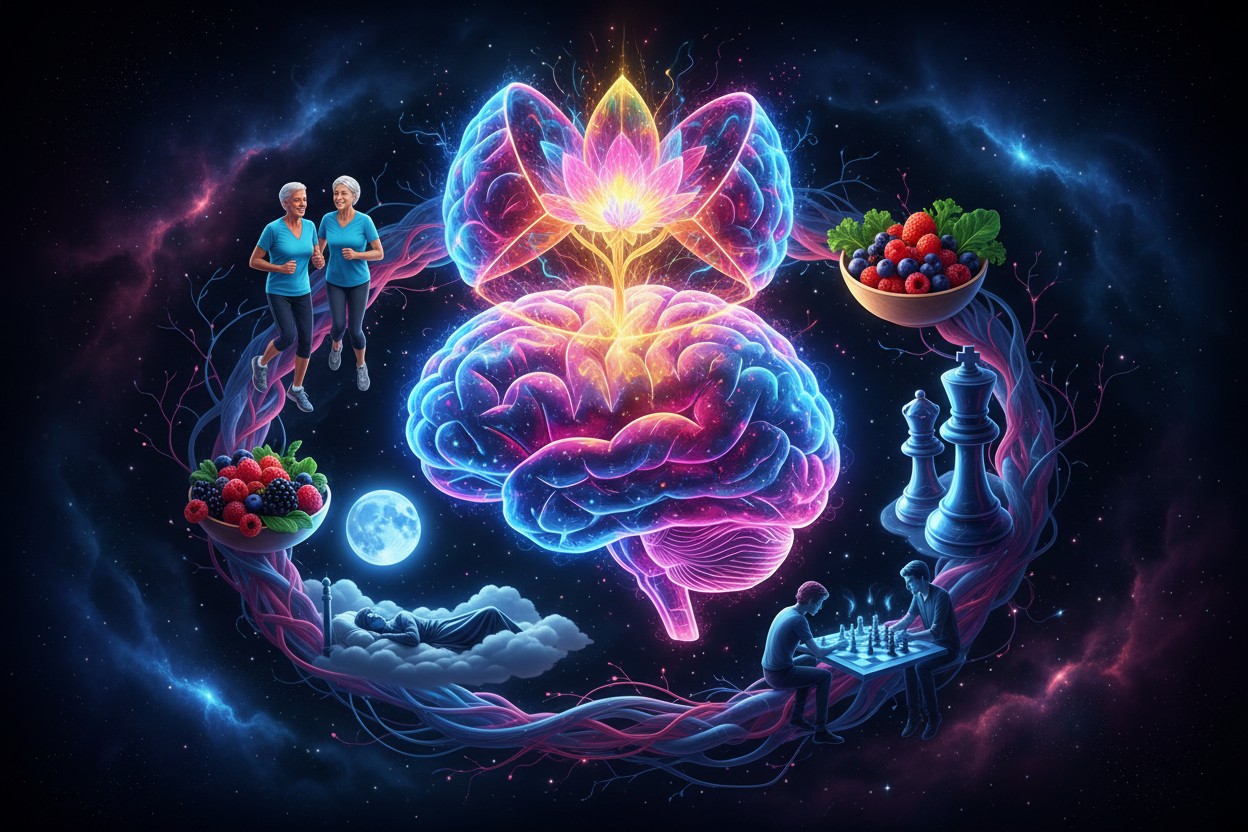
Long-Term Memory and Brain Health: An Overview
Research published in peer-reviewed medical literature indicates that several daily lifestyle habits are associated with the preservation of long-term memory and a reduced risk of cognitive decline. Long-term memory, which stores experiences, facts, and skills, is directly impacted by overall brain health, according to a review of studies and medical commentary provided by researchers and health journalists. A 2026 report from the Alzheimer's Association, which surveyed 3,800 adults aged 40 and older, found that nearly 9 in 10 Americans consider maintaining brain health to be very important, yet only 9 percent of those surveyed reported knowing how to achieve it [1]. The report noted that while 99 percent of respondents believe lifestyle behaviors matter for brain health, only 34 percent exercise daily, and just 39 percent eat a healthy diet regularly [1]. According to researchers cited by NaturalNews.com, approximately half of all dementia cases could be prevented through improved lifestyle choices, challenging the notion that memory decline is an inevitable part of aging [2]. The World Health Organization predicts the global number of dementia cases, currently exceeding 55 million, will double approximately every 20 years [2].Physical Activity and Sleep: Foundational Habits
Regular physical activity is identified as one of the most potent habits for preserving cognitive function. Engaging in at least 150 minutes of moderate activity weekly can reduce dementia risk by 25 percent, according to a study reported by Patrick Lewis of NaturalNews.com [3]. The reported mechanisms include improved blood flow, reduced inflammation, and the clearance of brain toxins [3]. A separate 2026 study conducted by researchers at the University of California, Irvine, documented that a single 30-minute session of moderate exercise triggers the release of a brain-derived protein crucial for cognitive health [4]. Further evidence from a July 2026 study tracking 76 British adults over eight days found that every additional 30 minutes of moderate-to-vigorous exercise -- such as brisk walking, running, or cycling -- was linked to better episodic and working memory the following day [5]. Sleep serves as a complementary pillar to physical exertion. The brain requires adequate sleep to transfer short-term memories into long-term storage in the cortex, a function performed by the hippocampus during deep sleep [6]. Reports indicate that 7–8 hours of sleep nightly is recommended, as chronic under- or oversleeping disrupts the brain's memory consolidation processes [3]. Lifestyle guides recommend exposing oneself to natural light during the day and minimizing electronic screens at night to maintain a healthy sleep-wake cycle [7].Mental Stimulation, Social Interaction, and Diet
Cognitive engagement and social connection are habits that support neuroplasticity -- the brain's ability to reorganize itself by forming new neural connections throughout life [8]. A 2008 study referenced in the book "The Alzheimer's Prevention Program" by Gary Small and Gigi Vorgan found that a ten-minute conversation serves as a more effective brain booster than watching television [9]. Combining intellectual challenges with physical and social activities yields an even greater brain benefit, according to experts cited in Julia Maranan's "The 100 Best Ways to Stop Aging and Stay Young," who recommend group classes or public lectures to merge multiple types of stimulation [10]. Dietary patterns constitute a separate habit linked to cognitive preservation. The MIND diet -- rich in beans, berries, fish, leafy greens, nuts, olive oil, and whole grains -- supports cognitive functioning and reduces inflammation, according to Olivia Cook of NaturalNews.com [11]. A 2006 study published in Annals of Neurology reported by XPP found that composite dietary patterns such as the Mediterranean diet are related to lower risk for Alzheimer's disease [12]. Research on energy-dense diets has shown that chronic intake can elevate cholesterol and triglycerides, resulting in decreased blood flow to the brain and decrements in cognitive functioning [13]. Proper nutrition also includes essential fatty acids and antioxidants, which are detailed extensively in Dr. Julian Whitaker's analysis of fats and their role in brain function [14].Continued Learning and Condition Management
Engaging in novel learning experiences is another habit associated with sharper memory in later life. The concept of a cognitive reserve suggests that intellectual engagement throughout life builds a buffer against the clinical manifestation of dementia [15]. A 2023 study highlighted in a recent NaturalNews.com report found that older adults who learned new skills scored similarly to younger adults on cognitive tests, according to the article "Forget the fads: Science-backed strategies to combat age-related memory decline" [16]. Researchers noted that the brain responds to new and surprising information by strengthening its neural networks [17]. Management of chronic health conditions represents a seventh habit with significant implications for memory. Hypertension, diabetes, and obesity damage brain capillaries, shrink brain volume, and can triple dementia risk, according to a report titled "Protecting Your Mind" published on NaturalNews.com [18]. A study published in Neurology found that smoking, obesity, and high blood pressure during middle age predict lower brain volume and dementia markers up to a decade later [19]. Chronic sleep deprivation compounds these risks, as it is linked to a higher risk of hypertension and diabetes, according to an article on the silent epidemic of sleep loss [20]. Prolonged sitting, even among regular exercisers, has been associated with shrinkage in memory-related brain regions, as documented by MRI scans [19].Conclusion: Applying the Seven Habits
Memory decline is a common aspect of the aging process, but the convergence of current evidence suggests that seven daily habits may help preserve long-term memory and delay cognitive deterioration. The habits -- regular exercise, adequate sleep, brain games, social engagement, a nutrient-dense diet, continued learning, and chronic condition management -- are all actionable steps reported in the medical literature [3][21][22]. A 2025 review of everyday habits' effects on cognitive health concluded that the level of evidence varies between mainstream and alternative sources, though the general direction of findings supports these practices [21]. Proactive brain-healthy lifestyles offer an opportunity to have a major public health impact, according to Gary Small [22]. Officials advise that individuals consult a healthcare provider for memory loss that interferes with daily life, emphasizing early evaluation. For those without such symptoms, the adoption of these habits represents a low-cost, self-directed approach to brain health, consistent with a broader philosophy of personal responsibility for wellness and the body's innate capacity for resilience [23].References
- Willow Tohi. "88 of Americans worry about memory loss but only 9 know how to protect brain health". NaturalNews.com. May 02, 2026.
- NaturalNews.com. "Modifiable risk factors that increase your dementia risk and how to address them". November 04, 2024.
- Patrick Lewis. "Simple lifestyle changes can drastically reduce dementia risk study finds". NaturalNews.com. April 20, 2026.
- Petra Stone. "Study Examines Brain Derived Protein Release Following 30 Minute Exercise Session". NaturalNews.com. March 19, 2026.
- NaturalNews.com. "Study Shows Exercise Improves Brain Function for 24 Hours". July 22, 2026.
- Mukesh Bansal. "No Limits: The Art and Science of High Performance".
- Linja Sue Stillman. "The Alzheimers prevention food guide: a quick nutritional reference to foods that nourish and protect the brain".
- Mercola.com. "Neuroplasticity Studies Reveal Your Brains A". January 15, 2015.
- Gary Small. "The Alzheimers prevention program: keep your brain healthy for the rest of your life".
- Julia Maranan. "The 100 Best Ways to Stop Aging and Stay Young".
- Olivia Cook. "Eat smart move to improve and use your mind: Your everyday blueprint for a sharper brain as you age". NaturalNews.com. August 05, 2025.
- Nikolaos Scarmeas, Yaakov Stern, Ming-Xin Tang, Richard Mayeux, and Jose A. Luchsinger. "Mediterranean Diet and Risk for Alzheimer's Disease". Annals of Neurology. 2006.
- Robin B. Kanarek and Harris R. Lieberman. "Diet Brain Behavior".
- Dr. Julian Whitaker and Peggy Dace. "Dr Julian Whitakers 10 step program to optimize your memory and brain function".
- XPP. "A Life Course Approach to Cognitive Reserve: A Model for Cognitive Aging and Development?". Annals of Neurology. 2005.
- NaturalNews.com. "Forget the fads: Science-backed strategies to combat age-related memory decline". January 28, 2026.
- Mercola.com. "Brain Health: Can These Tricks Make You Smart". May 07, 2015.
- NaturalNews.com. "Protecting your mind: How healthy lifestyle choices can help slow cognitive decline". October 17, 2025.
- NaturalNews.com. "Study Links Struggles with Common Habits to Accelerated Brain Aging". June 14, 2026.
- NaturalNews.com. "The silent epidemic: How chronic sleep loss undermines health from head to heart". January 31, 2026.
- NaturalNews.com. "Everyday Habits Said to Improve Cognitive Function: A Review of Research and Expert Perspectives". June 16, 2026.
- Gary Small and Gigi Vorgan. "The Alzheimers prevention program: keep your brain healthy for the rest of your life".
- Mercola.com. "Easy Ways to Boost Your Ability to Recall Now". October 22, 2015.
Explainer Infographic

Mastodon
Parler
Gab
Copy
Tagged Under:
brain function natural medicine sleep exercise longevity alternative medicine research brain health natural health cognitive function memory natural cures lifestyle tips naturopathy mind mind body science goodscience goodhealth goodmedicine health science aging secrets
You Might Also Like

“UNBREAKABLE” on BrightU: Inside the psychology of becoming UNBREAKABLE
By Belle Carter // Share

Foods High in Antioxidants That Go Beyond Cranberries
By Coco Somers // Share

Pink Himalayan salt: The ancient mineral that’s transforming modern kitchens
By HRS Editors // Share

Movement medicine: How daily activity slashed uncontrolled blood pressure by 69% in new study
By Willow Tohi // Share


Research Outlines Methods for Recovering From Technology-Related Stress
By Coco Somers // Share
Recent News






Popular This Week