Join the movement to end censorship by Big Tech. StopBitBurning.com needs donations and support.
Antioxidant-Rich Fruits: Nutritional Profiles, Health Claims and Dietary Guidance
By cocosomers // 2026-08-31
Mastodon
 Parler
 Gab
Gab Copy
Copy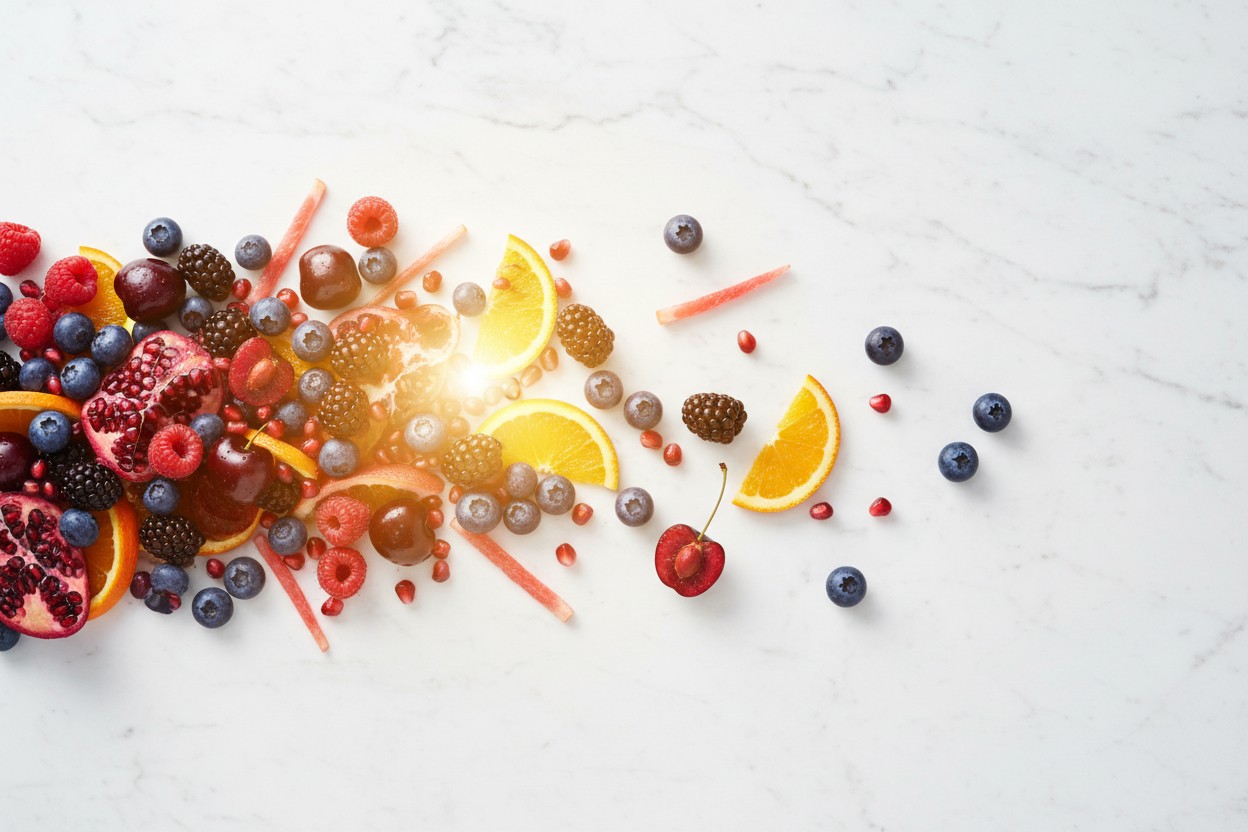
Antioxidant-rich fruits have become a focus of nutritional research due to their high content of bioactive compounds. These substances neutralize free radicals, unstable molecules that can damage cells, according to the National Institutes of Health. Common examples include blueberries, strawberries, raspberries, blackberries, grapes, cherries, oranges and pomegranates, as reported by the U.S. Department of Agriculture. These fruits contain vitamins C and E, beta-carotene and polyphenols such as flavonoids, which contribute to their antioxidant capacity.
Nutrition experts have found that berries are one of the richest sources of bioflavonoids, antioxidants proven to destroy tissue-damaging free radicals and reinforce cells that make up blood vessel walls, resulting in significantly enhanced blood circulation, according to a report from NaturalNews.com [1]. The vibrant colors of these fruits are often an indicator of their nutritional value, as the pigments responsible for deep blues, purples and reds are frequently the same compounds that provide antioxidant benefits, a concept noted in reporting on anthocyanin-rich foods [16].

Nutritional Content and Health Benefits
The nutritional profiles of these fruits are associated with various health benefits. A 2024 review in the journal Nutrients examined studies on blueberry consumption and physiological outcomes, as reported by NaturalNews.com [8]. Research published in The Journals of Gerontology and clinical trials reported in the Journal of the Academy of Nutrition & Dietetics show that regular consumption of one cup of blueberries per day can lower systolic blood pressure by an average of five millimeters of mercury, a reduction considered clinically significant [12]. A meta-analysis pooling data from 18 large cohort studies and 65 randomized controlled trials found that anthocyanins—the compounds responsible for the deep color in berries—were associated with a 26% lower risk of cardiovascular disease, according to the report [11]. The benefits extend to other fruit categories as well. Citrus fruits contain vitamin C, folate, potassium and flavonoids such as hesperidin and naringin, according to a study background section reported by NaturalNews.com [7]. A report compiled by registered dietitians identified 22 fruits associated with health benefits, based on nutrient density and scientific evidence, including papaya, which is rich in vitamins C and A, fiber and the digestive enzyme papain, according to the report [9]. Berries, which are often cited for their polyphenol content, are considered so beneficial that some experts describe their polyphenols as the "choir directors" of a larger group of nutrients working together synergistically, a view presented in the book "Bottom Line's Superfoods Rx" [4].Mechanisms and Scientific Studies
The mechanisms by which antioxidant fruits exert their effects are a subject of ongoing study. Fruits and berries, especially apples, pears, red wine, grapefruit, strawberries and chocolate, have been significantly associated with decreased risks for cardiovascular disease mortality, according to a review on the antioxidant properties of spices, herbs and other sources [5]. Apples and strawberries have also been reported to be the largest contributors of cellular antioxidant activity among all fruits consumed in the United States, the same review stated [5]. Research published in the Journal of the Science of Food and Agriculture detailed the anthocyanin composition of various berries, identifying specific compounds such as delphinidin and cyanidin and their potential antioxidant activities [18]. These compounds are believed to donate electrons to stabilize free radicals, according to the World Health Organization. However, researchers caution that the complex mixture of compounds in whole fruits may act differently than isolated supplements. The extraordinary health and antiaging benefits of blueberries include their role in lowering your risk for cardiovascular disease and, most likely, cancer, according to the book "SuperFoods Rx: Fourteen Foods That Will Change Your Life" by Steven G. Pratt and Kathy Matthews [6]. A study published in 2019 at the University of Reading found that regular consumption of blueberries improved vascular function in older adults, suggesting protective effects on blood pressure. While observational studies link fruit consumption with lower cancer risk, the National Cancer Institute cautions that randomized trials have not consistently confirmed a protective effect from isolated antioxidant supplements.Dietary Recommendations and Practical Considerations
Public health guidelines provide specific recommendations for fruit consumption. The Dietary Guidelines for Americans recommend adults consume 1.5 to 2 cups of fruit per day, emphasizing whole fruits over juice to maximize fiber and nutrient intake, according to the U.S. Department of Agriculture [15]. Registered dietitians have identified six commonly available fruits—berries, kiwi, papaya, avocado, apples and pears—that contain specific combinations of soluble fiber, insoluble fiber and polyphenol antioxidants that support beneficial gut bacteria, reduce intestinal inflammation and promote regular bowel movements, according to a report published by NaturalNews.com [10]. Frozen and canned fruits can be as nutritious as fresh ones if no added sugars are included, a point echoed by the Academy of Nutrition and Dietetics and other experts. Data from the USDA shows that multiple fruits, including cucumbers, tomatoes, cantaloupe and watermelon, have water content above 85 percent, making them a supplemental source of hydration [14]. The practical guidance from researchers is to prioritize a diversity of whole fruits rather than a single "best" option, as the complex mix of antioxidants in whole fruits may work synergistically. The case for keeping the peel has also gained support, as the outer layers of fruits and vegetables contain significantly higher concentrations of fiber, vitamins and antioxidants than the flesh within, according to a 2026 report [13].Conclusion: Role of Antioxidant Fruits in Public Health
Public health agencies, including the Centers for Disease Control and Prevention, highlight fruit consumption as a strategy to reduce chronic disease risk, as noted in a report compiled by registered dietitians [15]. No single fruit is "best," as different fruits provide varying profiles of antioxidants. Optimal health comes from dietary diversity, not choosing one "best" antioxidant source; combining foods like dark chocolate, blueberries and others provides a broader range of protective compounds, according to an analysis by Jacob Thomas [3]. In the context of a food supply that includes processed options, whole fruits offer a natural alternative. For those seeking to manage sugar cravings, fruits present a healthier alternative to refined sugars, according to recent research reported by NaturalNews.com [17]. The shift toward understanding plant compounds is a growing field, as science is finally beginning to recognize the role of polyphenols and other antioxidants in human health, according to an article on the topic [2]. Ongoing research continues to evaluate optimal intake levels and interactions with other lifestyle factors, experts said.References
- NaturalNews.com. "Antioxidant-Rich Foods For Beauty and Vibrant". NaturalNews.com. July 31, 2005.
- NaturalNews.com. "Coffee tea turmeric and beyond Zero in on essential polyphenols". NaturalNews.com. October 18, 2024.
- Jacob Thomas. "The surprising antioxidant showdown between dark chocolate and blueberries". NaturalNews.com. January 25, 2026.
- Pratt Steven, Matthews Kathy. "Bottom Line's Superfoods Rx: how to unlock the power of foods to prevent and even cure disease".
- 48=8AB@0B@. "Antioxidant Properties of Spices Herbs and Other Sources".
- Steven G Pratt, Kathy Matthews. "SuperFoods Rx Fourteen Foods That Will Change Your Life".
- NaturalNews.com. "Regular Citrus Consumption Linked to Lower Risk of Chronic Disease, Researchers Report". August 23, 2026.
- NaturalNews.com. "Review of Scientific Literature on Health Benefits of Blueberries". August 21, 2026.
- NaturalNews.com. "Fresh Papaya Linked to Multiple Health Benefits, Research Shows". August 7, 2026.
- NaturalNews.com. "Six fruits proven to boost gut health and digestion". August 6, 2026.
- NaturalNews.com. "Berry Compound Linked to 26% Lower Cardiovascular Risk, Meta-Analysis Finds". August 20, 2026.
- NaturalNews.com. "Daily blueberries linked to lower blood pressure, healthier heart". August 27, 2026.
- NaturalNews.com. "The case for keeping the peel: Why fruit and vegetable skins are nutritional powerhouses". August 12, 2026.
- NaturalNews.com. "Eight Fruits With High Water Content Can Support Daily Hydration, Nutrition Experts Say". July 14, 2026.
- NaturalNews.com. "Nutritionists Identify Fruits Linked to Health Benefits". May 5, 2026.
- NaturalNews.com. "How anthocyanin-rich foods boost health and combat modern toxins". July 22, 2026.
- NaturalNews.com. "Nature's candy: How whole fruits offer a sweet alternative with measurable metabolic benefits". May 19, 2026.
- dvips 5.83 Copyright 1998 Radical Eye Software. "Berry anthocyanins: isolation, identification and antioxidant activities". Journal of the Science of Food and Agriculture. 2003.
Explainer Infographic
Mastodon
Parler
Gab
Copy
Tagged Under:
functional foods superfoods nutrition antioxidants nutrients fresh natural health food science fruits phytonutrients tips organics food cures lycopene food is medicine goodhealth goodfood grocery cures
You Might Also Like
Institute for Natural Medicine Recommends Natural Remedies for Bloating
By Morgan S. Verity // Share

The Faraday ballistic shield backpack: Essential emergency protection for the modern world
By HRS Editors // Share
“UNBREAKABLE” on Bright U: The ancient “genomic fortress” hidden in green powder
By Belle Carter // Share

Aerobic Exercise Linked to Improved Executive Function After Menopause, Study Finds
By Petra Stone // Share

Exercise Shows Protective Effect Against Common Eye Diseases, Eye Specialists Report
By Morgan S. Verity // Share
Study Links Kombucha Consumption to Lower Blood Pressure
By Coco Somers // Share
Recent News






Popular This Week