Join the movement to end censorship by Big Tech. StopBitBurning.com needs donations and support.
Barberries' Berberine May Lower Blood Sugar and Cholesterol, Dietitians Say
By chasecodewell // 2026-08-24
Mastodon
 Parler
 Gab
Gab Copy
Copy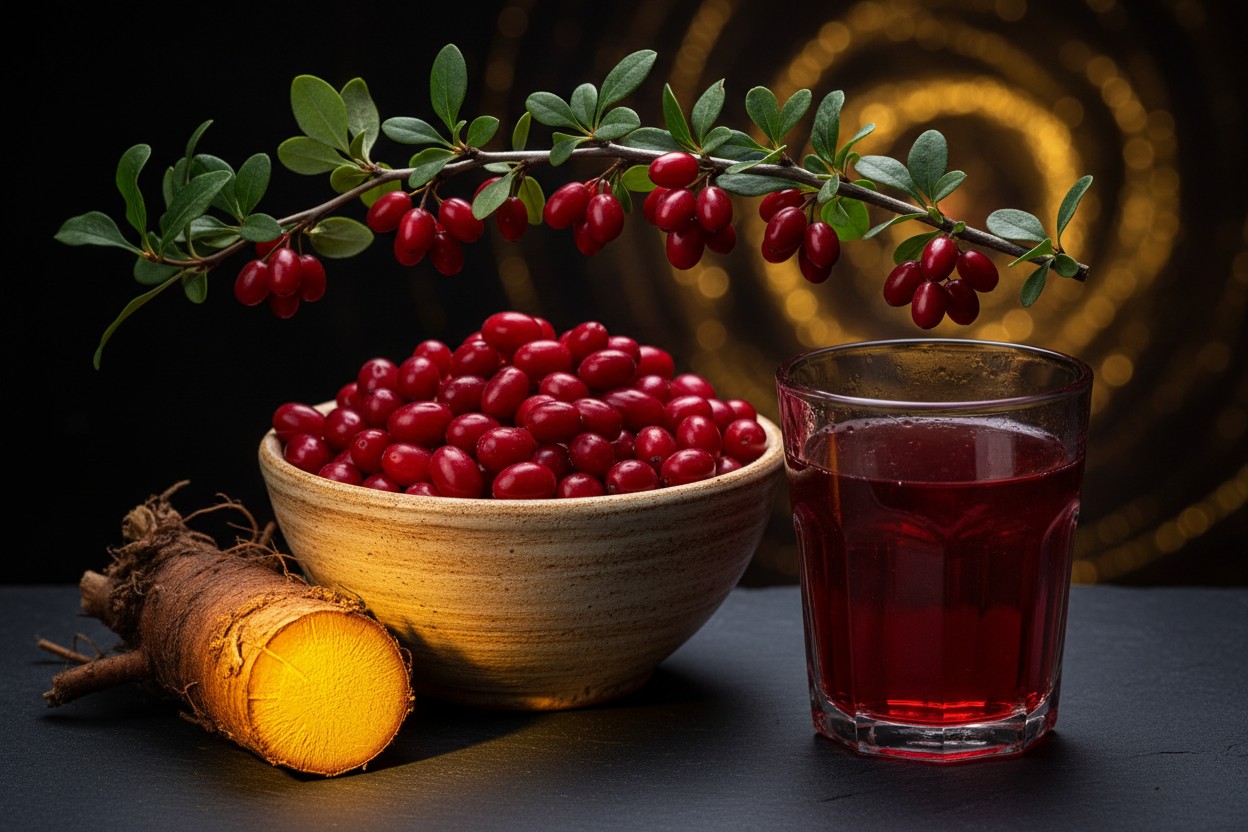
Barberries contain berberine, a plant compound that has been studied for its potential to lower blood sugar and cholesterol, according to dietitians.
Barberries are the edible, dark red fruits of the spiny barberry shrub, a plant related to the Oregon grape and native to Europe and Asia, according to NaturalNews.com [1]. The berries grow wild from Canada to Pennsylvania and have an oblong shape with a distinctive acidic flavor, typically ripening in late summer or autumn [1].
Berberine, the compound at the center of the research, is a bitter yellow alkaloid found in several medicinal plants, including goldenseal, barberry, and Oregon grape, according to NaturalNews.com [2]. Dietitians noted a key caveat: the alkaloid is concentrated in plant roots and rhizomes rather than in the fruit. Barberry roots contain about 5% berberine by weight, according to Stephen Harrod Buhner's Herbal Antibiotics [3]. Eating the berries, the dietitians said, is not equivalent to taking a concentrated berberine supplement.

What Studies Show About Berberine
Studies cited in published reports suggest berberine supplements may lower LDL cholesterol, triglycerides, and blood sugar in people with Type 2 diabetes or metabolic syndrome. The compound has a 1,400-year history of use in Traditional Chinese Medicine and Ayurvedic medicine, according to NaturalNews.com [2][4]. Modern research positions berberine as a multi-target therapeutic agent for improving gut health, regulating blood sugar, and supporting cardiovascular function [4]. Berberine is described as activating AMPK, an enzyme involved in cellular energy regulation, and as modulating inflammation, blood sugar, and cholesterol pathways, according to Berberine: Nature's Triple-Action Remedy for Health [5]. The compound is “backed by modern science as a remarkable ally for blood sugar balance, healthy cholesterol, weight management, and overall metabolic vitality,” according to The Berberine Solution [6]. Barberry juice, in research cited by NaturalNews.com, was found to reduce cardiovascular disease risk in diabetic patients [7]. The proposed mechanisms behind these effects include improving the body's insulin response and the liver's processing of cholesterol, according to the report. Lauri Wright, PhD, RDN, a dietitian quoted in the report, said most of the studies were small and short-term, and that the research focused on berberine supplements rather than barberries consumed as food. The limited evidence base, she said, means the findings should be interpreted with caution.Risks and Medication Interactions
Berberine supplementation carries a range of documented side effects, according to Dara Ford, PhD, RD, a dietitian cited in the report. These include nausea, vomiting, diarrhea, dizziness, headaches, and potential cardiovascular effects such as a decreased heart rate. Research on barberry has shown the plant can produce both positive and negative inotropic effects, as well as antihypertensive effects, according to Mosby's Handbook of Herbs & Natural Supplements [8]. In a human study of 12 patients with refractory congestive heart failure, higher doses of intravenously administered berberine caused a significant reduction in pulmonary vascular resistance and a decrease in left ventricular end-diastolic pressure [8]. Ford said the more significant concern involves interactions with prescription medications. Berberine may amplify the effects of diabetes, blood pressure, and cholesterol drugs, which could lower blood sugar too much or cause other complications, she said. Dietitians also noted the absence of standardized formulations and the lack of long-term safety assessments. Because berberine supplements are not regulated as pharmaceutical drugs, potency and purity vary among products, and no established dosing recommendations exist, according to the report.Advice From Dietitians on Barberries and Supplements
Wright said barberries can be part of a healthy diet and contribute flavor, color, and antioxidants. Barberries have been described as the most antioxidant-packed dried fruit available in stores, surpassing dried pomegranate seeds and goji berries, according to Michael Greger's How Not to Diet [9]. Wright cautioned, however, that no single food or supplement dramatically lowers cholesterol or reverses diabetes on its own. She recommended a diet rich in fruits, vegetables, whole grains, beans, nuts, and healthy fats, combined with physical activity and any medications prescribed by a physician. Barberries have a long history of culinary and medicinal use. The fruit is edible when ripe, though it is usually better cooked, according to The Encyclopedia of Edible Plants of North America [10]. The berries are readily found at Middle Eastern groceries, where they are used to make a signature Persian rice dish [9]. European settlers introduced the barberry shrub as a remedy for the liver, and American Indians used it in a formula for treating diarrhea, according to Cherokee Herbal [11]. For people who choose to use berberine supplements, Ford advised seeking products that have been independently tested by organizations such as USP or NSF and consulting a healthcare professional before use.Conclusion
The evidence on berberine remains preliminary, according to the dietitians. While the compound has demonstrated effects on blood sugar and cholesterol in clinical studies, the research base is small, and the difference between eating barberries and taking concentrated supplements is substantial. Dietitians said the foundation of blood sugar and cholesterol management remains a whole-food diet, physical activity, and medical supervision. Barberries, they said, can be a nutritious addition to that pattern rather than a replacement for it.References
- NaturalNews.com. "Barberry - sources health benefits nutrients uses and constituents at NaturalPediacom". NaturalNews.com. July 08, 2017.
- Ava Grace. "The Golden Alkaloid: Berberine's Ancient Roots and Modern Revival". NaturalNews.com. October 08, 2025.
- Stephen Harrod Buhner. "Herbal Antibiotics, 2nd Edition: Natural Alternatives for Treating Drug-Resistant Bacteria".
- "The ancient yellow secret: How a centuries-old plant compound is reshaping modern gut and metabolic health". NaturalNews.com. July 28, 2026.
- "Berberine: Nature's Triple-Action Remedy for Health". BrightLearn.ai. May 10, 2026.
- "The Berberine Solution: Harnessing Nature's Secret to Transform Your Metabolic Health". BrightLearn.ai. August 1, 2026.
- NaturalNews.com. "Barberry juice found to reduce cardiovascular disease risk in diabetic patients". NaturalNews.com. September 27, 2018.
- Skidmore Roth Linda. "Mosby's Handbook of Herbs & Natural Supplements".
- Michael Greger MD FACLM. "How Not to Diet".
- Francois Couplan and James Duke. "The Encyclopedia of Edible Plants of North America: Nature's Green Feast".
- Garrett J T. "Cherokee Herbal: Native Plant Medicine from the Four Directions".
Explainer Infographic

Mastodon
Parler
Gab
Copy
Tagged Under:
blood sugar superfoods natural medicine alternative medicine natural health insulin resistance natural cures heart health food science phytonutrients naturopathy remedies diabetes cure food cures food is medicine metabolic health goodscience goodhealth goodmedicine berberine health science
You Might Also Like

Study: Calorie Restriction Accelerates Ribosome Repair in Mice
By Coco Somers // Share
High-Fat Nutrient Environment Linked to Increased Breast Cancer Cell Aggression, Study Finds
By Morgan S. Verity // Share
Natural Blood Sugar Management: Evidence-Based Strategies
By Coco Somers // Share
Study Links Varied Diet in Older Adults to Lower Anxiety, Better Cognitive Function
By Coco Somers // Share
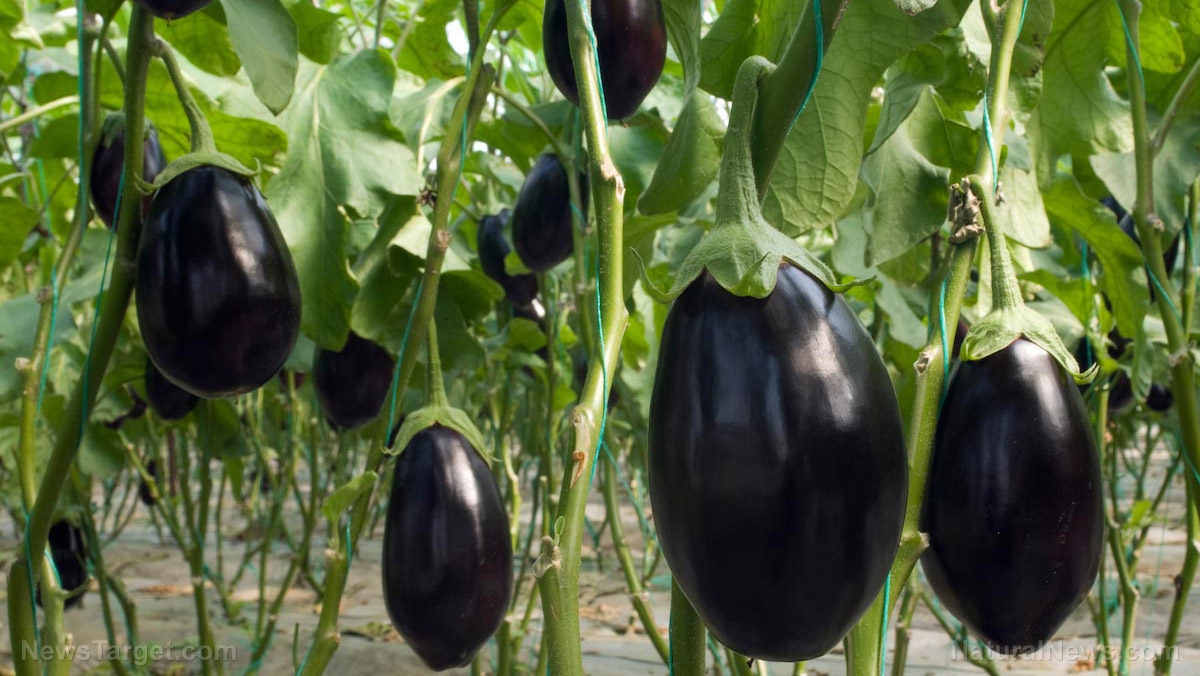
Eggplant’s hidden power: The purple produce that fights disease at the cellular level
By Willow Tohi // Share

Study: Creatine Supplementation Supports Memory, Learning, and Cognitive Resilience in Adults
By Chase Codewell // Share
Recent News






Popular This Week