Join the movement to end censorship by Big Tech. StopBitBurning.com needs donations and support.
Urolithins from Pomegranates, Berries and Walnuts Offer Neuroprotective Benefits, Review Finds
By cocosomers // 2026-05-14
Mastodon
 Parler
 Gab
Gab Copy
Copy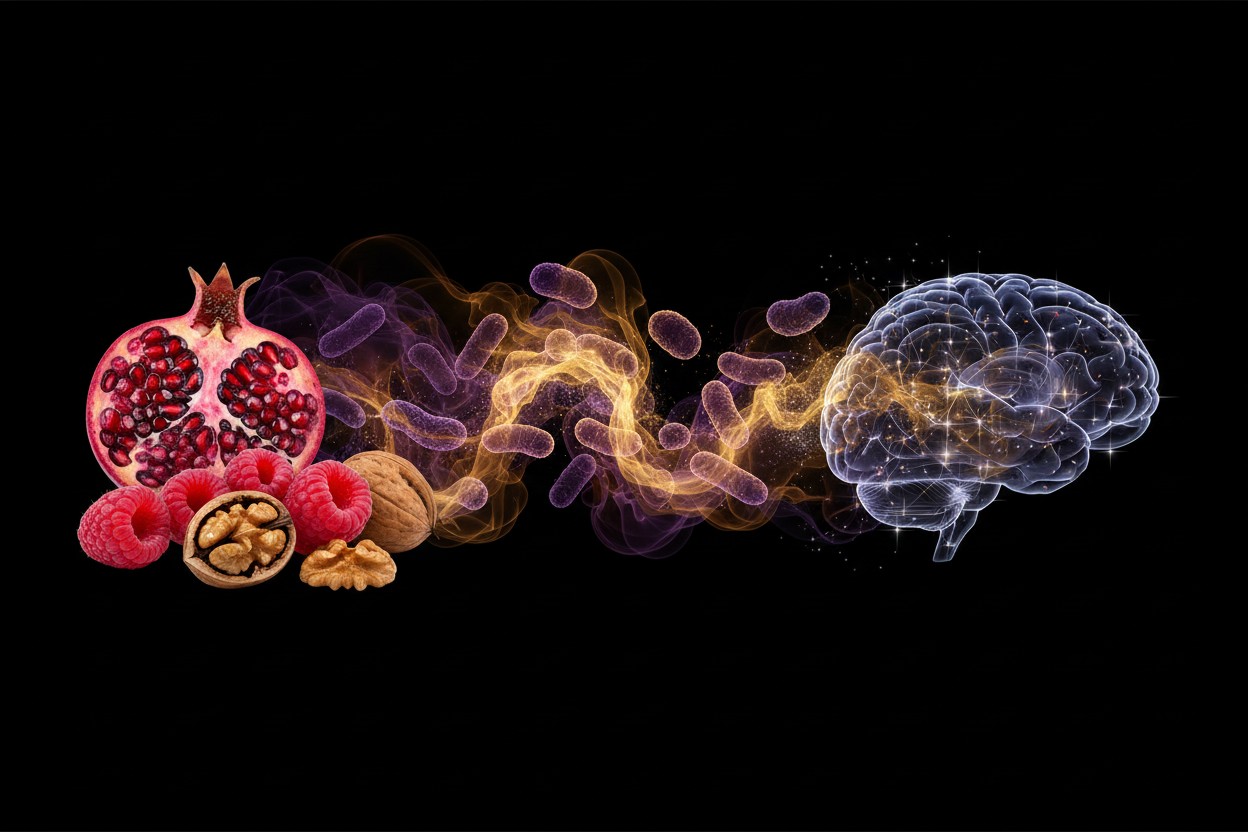
Compounds known as urolithins, which are produced by gut bacteria when they break down ellagitannins from foods such as pomegranates, berries, and walnuts, may offer neuroprotective benefits, according to a review of laboratory and animal studies. The review, which was published in a peer-reviewed journal, indicated that these metabolites could play a role in shielding nerve cells, reducing inflammation and oxidative stress, and supporting cellular cleanup processes linked to Alzheimer's disease.
The findings are preliminary and based on cell and animal experiments; the authors emphasized that human clinical trials are needed before any recommendations can be made. According to the review, urolithins are not found directly in food but are generated when gut microbes metabolize ellagitannins, a type of polyphenol abundant in pomegranates, strawberries, raspberries, blackberries, and walnuts.
How Urolithins Are Produced
Urolithins are created exclusively through the action of gut bacteria on dietary ellagitannins, according to the review. The ability to produce these compounds varies among individuals depending on the composition of their gut microbiome. This variability may explain why some people appear to derive greater benefit from polyphenol-rich foods than others, the review stated. Researchers noted that urolithin production sits at the intersection of diet, gut health, and brain aging. Foods rich in ellagitannins include pomegranates, berries such as strawberries and raspberries, and walnuts. A study on walnuts found that their heart benefits may be attributed to positive effects on gut microbiota, according to an article in NaturalNews.com [3]. Similarly, pomegranates have been shown to improve cognitive function and blood flow among the elderly, according to a study published in Evidence-Based Complementary and Alternative Medicine [2].Mechanisms of Neuroprotection
The review described several ways urolithins may protect brain cells, although the evidence comes from laboratory and animal work. Pomegranates' naturally occurring antioxidants, known as punicalagins, have been reported to suppress inflammation associated with dementia and related diseases, according to researchers at the University of Huddersfield and the University of Freiburg [1]. Urolithins are structurally similar and are thought to act as antioxidants, neutralizing harmful molecules that can damage neurons. Additionally, urolithins may support the process of clearing damaged mitochondria, a function known to decline in Alzheimer's, though this has not been confirmed in humans. The polyphenols found in fruits such as pomegranates and berries are known to reduce oxidative stress and inflammation, which are key drivers of brain aging, according to the book "Polyphenols: Prevention and Treatment of Human Disease" [4].Role of Gut Microbiome in Urolithin Production
Because urolithin production depends on the specific bacteria living in a person's gut, two people eating the same pomegranate may receive very different brain-protective benefits, according to the review. A healthy, diverse microbiome could boost the body's ability to produce urolithins and potentially protect the brain over time, the report stated. Foods and habits that support gut health—such as a high-fiber diet, fermented foods, and limiting ultra-processed foods—may enhance urolithin production, the review noted. Registered dietitian nutritionist Molly Knudsen recommends daily consumption of fermented foods and prebiotic fibers to support the gut microbiome, according to a March 2026 article [6]. Walnuts, which are high in fiber and polyphenols, have been shown to promote healthy gut microbiota, according to a study by American researchers [3].Implications and Limitations of the Research
The review's findings are based on laboratory and animal studies, and the authors explicitly state that human trials are necessary before urolithins can be recommended for brain health. According to the report, the research provides a reason to consume more ellagitannin-rich foods and support gut health, but it does not establish clinical guidelines. The review's authors wrote that "urolithins sit at the crossroads of diet, gut health, and brain aging," highlighting a promising area for future investigation. Observational studies have linked higher intake of flavonoid-rich foods, such as berries and tea, to healthier aging and slower memory decline in older adults, according to a study published in the American Journal of Clinical Nutrition [7] and a study on flavanol intake and memory [5]. However, the review cautions that much more research is needed to determine whether urolithins directly cause protective effects in humans.References
- NaturalNews.com. "Pomegranates are a powerful nutritional preventive for inflammation-related diseases." NaturalNews.com. January 30, 2019.
- NaturalNews.com. "Juice up your brain: Pomegranates improve brain function and blood flow among the elderly." NaturalNews.com. July 28, 2019.
- NaturalNews.com. "Study: Walnuts boost gut and heart health by promoting healthy gut microbiota." NaturalNews.com. November 28, 2022.
- Ronald Ross Watson, Victor Preedy, Sherma Zibadi. "Polyphenols: Prevention and Treatment of Human Disease."
- NaturalNews.com. "Study Links Flavanol Intake to Slower Memory Decline in Older Adults." NaturalNews.com. May 10, 2026.
- NaturalNews.com. "Two Daily Dietary Habits Recommended for Gut Microbiome Support." NaturalNews.com. April 28, 2026.
- NaturalNews.com. "Study finds flavonoid-rich foods linked to healthier aging in nearly 90,000 adults." NaturalNews.com. May 1, 2026.
Mastodon
Parler
Gab
Copy
Tagged Under:
brain function aging Alzheimer's disease alternative medicine brain health cognitive function memory berries mental walnuts mind discoveries breakthrough cognition mind body science goodscience goodhealth goodmedicine goodfood health science anti-urolithiasis
You Might Also Like
Spinach shown to lower blood pressure naturally through multiple nutrient pathways
By Evangelyn Rodriguez // Share

Moderate Calorie Reduction Linked to Improved Health Markers, Study Says
By Coco Somers // Share

Short Afternoon Nap May Recalibrate Brain for Learning, Study Finds
By Chase Codewell // Share

Study Links Earlier Meal Timing, Longer Nighttime Fasting to Lower BMI
By Coco Somers // Share
Want to sleep through the night? Add this to your evening meal
By Patrick Lewis // Share
Recent News






Popular This Week